
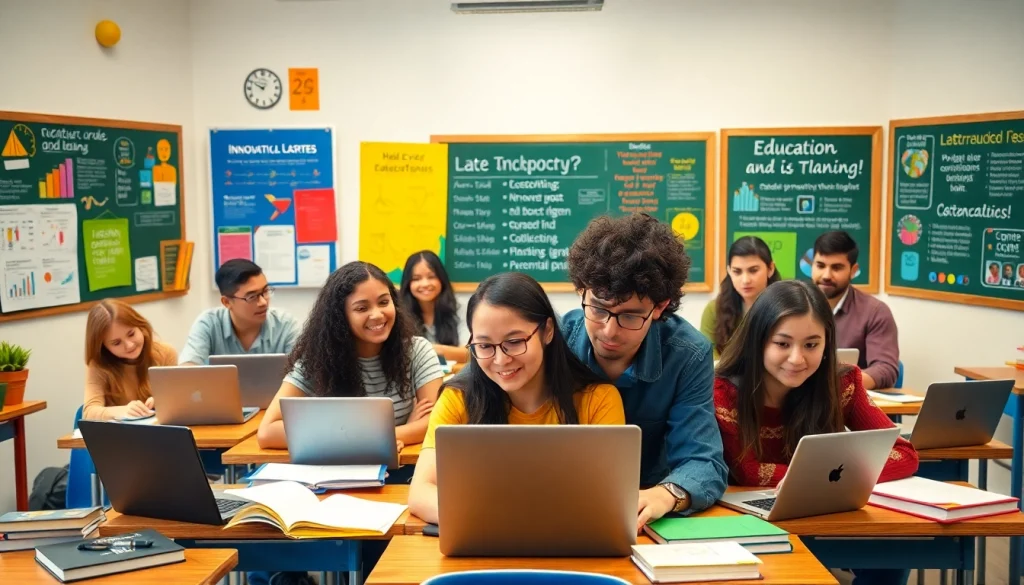
Understanding the Basics of Education
Definition and Scope of Education
Education is an intricate process that extends beyond traditional schooling and encompasses the entire experience of learning that individuals undergo throughout their lives. It can be defined as the systematic procedure of acquiring knowledge, skills, values, and beliefs through various methods such as teaching, training, research, and everyday experiences. The scope of education is vast, ranging from early childhood education to higher education, vocational training, and lifelong learning initiatives. Education serves not only to impart academic knowledge but also to develop critical thinking, problem-solving abilities, and social skills among learners.
Historical Perspectives on Education
The history of education is rich and varied, reflecting the evolution of human societies and their cultures. From the ancient civilizations of Mesopotamia and Egypt, where education was primarily reserved for the elite, to the establishment of formal schools in Greece and Rome, history reveals that education has always been a cornerstone of societal advancement. Over the centuries, education has transitioned from memorization and rote learning to more dynamic teaching methods that emphasize creativity, collaboration, and critical engagement. Understanding these historical perspectives provides insight into current educational frameworks and their societal implications.
Key Components of Effective Education
Effective education comprises various elements that work harmoniously to ensure that learners achieve their maximum potential. These include:
- Curriculum: A well-structured curriculum that aligns with educational standards and student needs is essential. It should encompass a broad spectrum of disciplines and skills.
- Instructional Methods: Diverse teaching strategies that cater to different learning styles are crucial. These may include lectures, discussions, hands-on activities, and technology-enhanced learning.
- Assessment: Continuous assessment helps in monitoring student progress and guiding instructional practices. Assessments should measure not only knowledge acquisition but also critical thinking and application skills.
- Support Systems: Providing learners with access to resources, mentorship, and counseling support can significantly enhance their educational experience and outcome.
Modern Trends in Education
Technology’s Role in Education
The integration of technology in education is one of the most transformative changes in recent years. Digital tools and resources such as online learning platforms, educational apps, and interactive software have revolutionized how educators deliver content and engage learners. Technology facilitates personalized learning experiences, allowing students to learn at their own pace and style. Furthermore, the rise of data analytics in education enables instructors to tailor their teaching methods based on performance data, ultimately enhancing learning outcomes.
Inclusive Education Practices
Inclusive education practices aim to create an environment where all students, regardless of their diverse backgrounds and abilities, can thrive. This realignment of educational practices emphasizes the importance of recognizing individual differences and accommodating various learning needs. Strategies include differentiated instruction, collaborative learning opportunities, and providing necessary support services, such as special education resources, to ensure equity in education. The focus on inclusivity not only fosters a sense of belonging among students but also cultivates empathy and understanding in the broader school community.
Project-Based Learning Strategies
Project-based learning (PBL) is an educational approach that engages students actively in real-world, meaningful projects. Instead of traditional lecture-based methods, PBL encourages students to explore, research, and solve problems collaboratively. This strategy promotes critical thinking, creativity, and teamwork while allowing learners to apply their knowledge in practical contexts. PBL not only supports deeper learning but also prepares students for future challenges by fostering essential skills such as communication, collaboration, and adaptability.
Challenges in the Education System
Addressing Educational Inequalities
Despite advancements, significant educational inequalities still exist, primarily influenced by socioeconomic status, geography, and access to resources. Students from underserved communities frequently face barriers to quality education, including inadequate funding, limited access to qualified teachers, and lack of essential learning materials. Addressing these disparities is critical to ensuring all students have equitable opportunities to succeed. Strategies to combat educational inequality may involve policy reforms, increased funding for low-income schools, and community partnerships aimed at resource redistribution.
Overcoming Learning Barriers
Educational institutions are tasked with identifying and overcoming various learning barriers that hinder student progress. Learning disabilities, language barriers, and socio-emotional issues can all adversely affect students’ academic performance. Implementing tiered support systems within educational frameworks, such as intervention programs and individualized education plans (IEPs), can help educators address these challenges effectively. Additionally, fostering strong relationships between students and teachers creates a supportive environment where learners feel empowered to communicate their needs and seek help.
Assessing Student Performance
Assessment remains a core component of the educational process, playing a pivotal role in evaluating student learning and informing instructional decisions. However, traditional assessment methods often fail to capture a student’s true capabilities or provide comprehensive insights into their learning journey. A more holistic approach to assessment includes formative assessments, peer evaluations, and self-assessments, all designed to support learning rather than merely quantify it. Educators must strive to create assessment practices that reflect meaningful learning experiences and foster critical thinking among students.
Best Practices for Educators
Engagement Strategies for Diverse Learners
Engaging diverse learners requires educators to adopt innovative teaching methods that resonate with all students. Utilizing culturally responsive teaching practices, employing varied instructional strategies, and incorporating student interests into lesson plans can significantly enhance engagement. Collaborative projects, technology integration, and hands-on activities also promote active participation by catering to different learning styles and preferences. By fostering an inclusive and engaging classroom environment, educators help all students feel valued and motivated to learn.
Incorporating Real-World Applications in Education
Linking classroom learning to real-world applications enhances student understanding and relevance of the material. By involving students in community projects, internships, or service-learning opportunities, educators can demonstrate how theoretical concepts apply in practical scenarios. This approach fosters critical thinking and helps students connect their learning to their lives, ultimately making education more meaningful and impactful. Furthermore, engaging with local businesses and organizations can create avenues for collaboration and resource sharing that enrich the educational experience.
Professional Development for Teachers
Continuous professional development is essential for educators to stay abreast of emerging educational trends, technologies, and teaching methodologies. Regular training sessions, workshops, and online courses provide teachers with the necessary skills to adapt their teaching practices to meet the evolving needs of students. Additionally, fostering a culture of collaboration among teachers through peer observation and shared practices can enhance instructional quality and create a supportive professional community.
The Future of Education
Emerging Educational Technologies
The future of education is poised for further transformation influenced by emerging technologies. Virtual reality (VR), augmented reality (AR), and artificial intelligence (AI) are revolutionizing the way instruction is delivered and how students learn. These technologies facilitate immersive learning experiences and provide personalized pathways tailored to a student’s unique capabilities. As these tools continue to evolve, they will unlock new opportunities for engaging and interactive learning environments.
Global Trends Impacting Education
Globalization, demographic shifts, and cultural changes are profoundly impacting education systems around the world. Educators must adapt their teaching methods to address the needs of increasingly diverse classrooms and prepare students for a interconnected world. Additionally, the emphasis on skills such as critical thinking, creativity, and emotional intelligence is becoming increasingly important as the job market evolves. The global community must collaborate to share best practices and address common challenges faced by educational institutions.
Preparing Students for Future Challenges
As society faces unprecedented challenges such as climate change, technological advancements, and social inequalities, the role of education becomes even more pivotal. Preparing students to navigate and address these issues requires an emphasis on competencies that extend beyond traditional academic knowledge. Integrating skills such as global citizenship, sustainability, and social responsibility into the curriculum will empower students to become proactive and engaged members of society. By focusing on holistic education, we can prepare learners for a future characterized by complexity and uncertainty.