
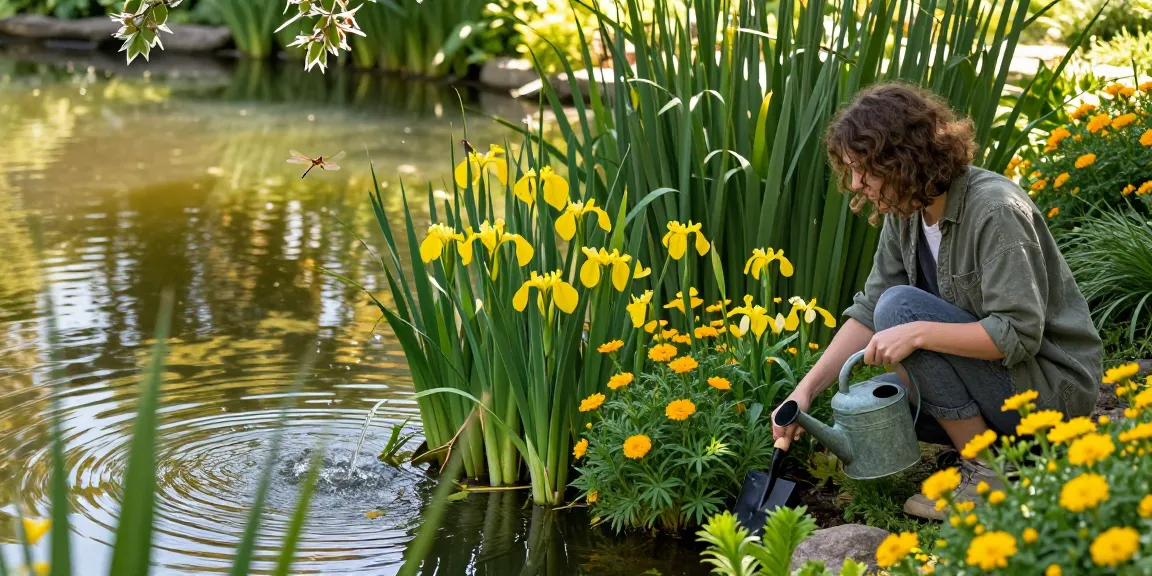
Understanding Marginal Pond Plants
Marginal pond plants are a vital element in the world of aquatic ecology, serving as both functional and aesthetic features in garden ponds and natural water bodies. These plants thrive at the water’s edge, where they help stabilize the soil, prevent erosion, and contribute to the overall health of the aquatic ecosystem. If you’re looking to enhance your pond or garden’s biodiversity, Marginal Pond Plants can be a fantastic addition. Their ability to adapt to various conditions makes them accessible for both novice and seasoned pond enthusiasts.
What are Marginal Pond Plants?
Marginal pond plants refer to the species that grow in the shallow areas surrounding a body of water, typically occupying the transition zone between land and water. These plants are uniquely adapted to thrive in wet, marshy conditions and can often tolerate fluctuating water levels. Common characteristics include their shallow root systems, which provide stability, and their diverse foliage and flower structures, which contribute to visual interest.
Benefits of Incorporating Marginal Pond Plants
Incorporating marginal pond plants yields numerous benefits for both the ecosystem and the pond owner:
- Improved Water Quality: These plants absorb excess nutrients from the water, which can help prevent algae blooms and maintain clearer water.
- Wildlife Habitat: Marginal plants provide essential shelter and breeding grounds for various wildlife, including birds, amphibians, and beneficial insects.
- Soil Stabilization: Their root structures help anchor soil in place, preventing erosion and maintaining the integrity of the pond banks.
- Aesthetic Appeal: The variety of colors, shapes, and sizes can enhance the visual landscape of your pond.
Common Types of Marginal Pond Plants
Several species are commonly used as marginal pond plants, each bringing unique attributes to your aquatic garden. Some popular choices include:
- Pickerel Rush (Pontederia cordata): Known for its tall spikes of blue flowers, Pickerel Rush is excellent for attracting pollinators.
- Water Plantain (Alisma plantago-aquatica): With its broad leaves and white flowers, this plant is perfect for shallow waters and can grow in various levels of moisture.
- Blue Flag Iris (Iris versicolor): This striking plant offers vibrant blue flowers and thrives in wet soils, making it a favorite for gardeners.
- Marsh Marigold (Caltha palustris): Early bloomers, these plants add color with their yellow flowers in spring, making them a lovely addition to any marginal area.
Choosing the Right Marginal Pond Plants
Selecting the right marginal pond plants is crucial for creating a thriving ecosystem that meets your aesthetic desires and functional needs. A few factors to consider include your local climate, soil type, and the specific conditions of your pond.
Factors to Consider When Selecting Plants
When choosing marginal pond plants, consider the following:
- Climate Hardiness: Ensure the plants can survive in your local climate. Some species thrive in colder temperatures, while others prefer warmer environments.
- Sunlight Requirements: Assess how much sunlight your pond receives daily. Some plants may require full sun, while others prefer partial shade.
- Soil Type: Marginal plants may have preferences for loamy, sandy, or clay soils. Understanding your soil type will inform your choices.
- Water Depth: Different plants prefer varying water depths, so it’s crucial to know the specific growing conditions at the margins of your pond.
Best Practices for Plant Placement in Your Pond
Proper placement of your marginal pond plants can significantly impact their health and growth. Here are some best practices:
- Staggered Planting: Plant taller species in the back and shorter ones in front to create visual layers.
- Group Planting: Consider planting in clusters rather than single plants, as this mimics natural growth patterns and aids in pollination.
- Water Level Management: Regularly monitor water levels, especially after rainfall, to ensure that plants are neither submerged nor too dry.
Seasonal Considerations for Planting Marginal Species
The timing of planting can greatly affect the establishment and growth of your marginal pond plants. Ideally, spring is the best season for planting, as the warmer temperatures encourage growth. Late summer and fall can also be effective, especially if you live in regions with mild winters. However, avoid planting during the heat of summer, as this can stress young plants.
Maintaining Your Marginal Pond Plants
Proper maintenance is vital for ensuring the health and longevity of your marginal pond plants. Regular care not only encourages robust growth but also enhances the overall ecosystem of your pond.
Essential Care Tips for Healthy Growth
To keep your marginal pond plants thriving, consider the following care tips:
- Regular Watering: Ensure consistent moisture levels, especially during dry spells.
- Fertilization: Use aquatic plant fertilizers sparingly, as excessive nutrients can lead to algae blooms.
- Pruning: Remove dead or yellowing leaves regularly to encourage new growth and improve the visual appeal.
Common Pests and How to Manage Them
While marginal pond plants are relatively hardy, they can still fall victim to pests such as aphids and snails. Here are some management strategies:
- Hand-Picking: For larger pests like snails, hand-picking can effectively reduce their numbers.
- Natural Predators: Introduce beneficial insects, such as ladybugs, which can help manage aphid populations.
- Insecticidal Soap: Use organic insecticidal soap as a last resort for pest control, ensuring it is safe for aquatic environments.
Importance of Regular Maintenance and Water Quality
Regular maintenance extends beyond plants to include water quality management. Test your pond’s pH and nutrient levels routinely to ensure a balanced ecosystem. Clear debris and excess algae to enhance water clarity, which benefits both the plants and any aquatic life present.
Creating a Thriving Ecosystem in Your Pond
The integration of marginal pond plants is essential for fostering a balanced and thriving ecosystem. Their roots provide a natural filtration system, while their structures offer habitats for various organisms.
The Role of Marginal Plants in Ecosystem Health
Marginal pond plants play a critical role in maintaining ecosystem health by:
- Providing Oxygen: Through photosynthesis, these plants release oxygen into the water, which is vital for aquatic life.
- Supporting Nutrient Cycling: They help break down organic matter, recycling nutrients back into the ecosystem.
- Controlling Erosion: The root systems stabilize the banks, preventing soil erosion and maintaining the integrity of the pond’s structure.
How to Support Wildlife with Your Pond Plants
To attract and support local wildlife, consider the following practices:
- Diverse Plant Selection: Include a variety of plant types to provide habitat for different species.
- Leave Natural Debris: Allow some leaves and stems to remain, as they can serve as shelter for small creatures.
- Bird Watching: Install a birdbath or feeding station nearby to encourage birds to frequent your pond area.
Integrating Marginal Plants with Other Pond Features
To create a well-rounded pond environment, consider integrating marginal plants with other features:
- Waterfalls: Adding a waterfall can increase oxygen levels and circulate water, benefiting both plants and fish.
- Rocks and Logs: Incorporating natural elements provides additional habitats for wildlife.
- Seating Areas: Create relaxing spaces with benches or stones surrounded by plants, enhancing the enjoyment of your pond.
Future Trends in Pond Gardening
Pond gardening is evolving, with new varieties of marginal plants and innovative techniques that promise to enhance the pond experience in 2026 and beyond.
Emerging Plant Varieties for 2026 and Beyond
As gardening trends shift, certain marginal plants are gaining popularity due to their unique features and benefits. Some emerging varieties include:
- Variegated Water Lily (Nymphaea): Known for its striking foliage and beautiful blooms, this lily offers color variation and interest.
- Golden Club (Orontium aquaticum): An ornamental plant with striking yellow flowers, known for attracting wildlife.
Innovative Techniques for Sustaining Pond Life
Gardeners are increasingly adopting techniques such as biofiltration and the integration of native plants to promote sustainability. These methods help maintain water quality and create a more resilient ecosystem, benefiting both plants and wildlife.
Predictions for Aquatic Gardening in a Changing Climate
As climate change continues to impact gardening practices, there is a growing emphasis on selecting drought-resistant and adaptable plant varieties. Marginal pond plants that can withstand fluctuating weather patterns will become increasingly valuable, helping to ensure the longevity and health of aquatic ecosystems.
What are the best Marginal Pond Plants for small ponds?
For small ponds, consider low-growing species like Water Hyacinth and Marsh Marigold, which offer beauty without overwhelming the space.
How do I care for my Marginal Pond Plants?
Care for your marginal pond plants involves regular watering, monitoring water quality, and ensuring adequate sunlight while controlling pests.
Can Marginal Pond Plants help with water clarity?
Yes, marginal pond plants can significantly improve water clarity by absorbing excess nutrients and providing habitat for beneficial microorganisms that filter the water.
What’s the best time to plant Marginal Pond Plants?
The best time to plant marginal pond plants is in the spring, allowing for optimal growth as temperatures rise.
How do I control pests in my pond garden?
Control pests by hand-picking larger insects, using natural predators, and, if necessary, applying organic insecticidal soap.