
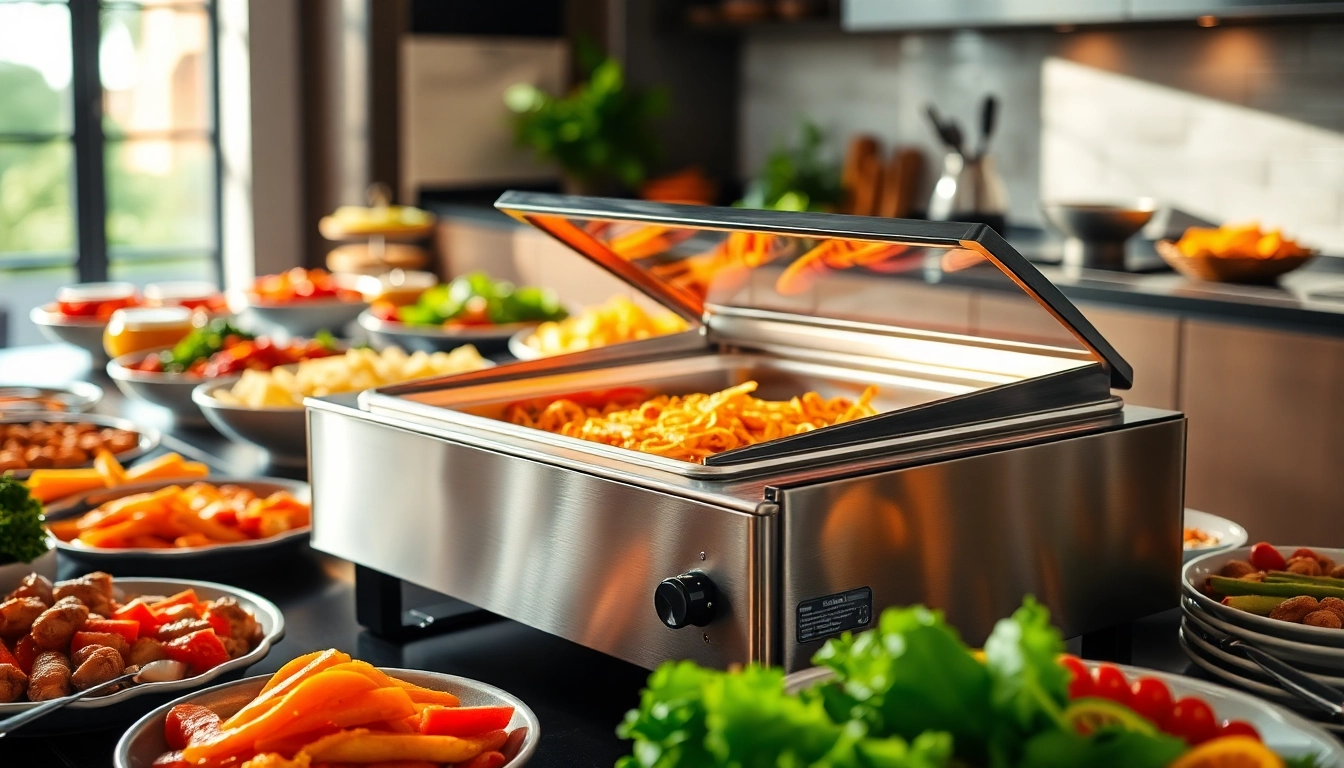
Understanding the Importance of a Food Warmer
Food warmers play a crucial role in the food service industry, ensuring that meals are served at optimal temperatures. As culinary experiences evolve, maintaining the right temperature is paramount in preserving taste and ensuring food safety. Utilizing a food warmer not only enhances customer satisfaction but also adheres to health regulations that govern food service operations.
The Role of Food Warmers in Food Service
In any establishment—be it a restaurant, catering service, or buffet—a food warmer is indispensable. These devices are designed to keep cooked food at safe temperatures until served, which is critical in preventing bacterial growth and spoilage. Whether you’re operating a small eatery or a large-scale catering service, the efficiency of your food warmer can significantly impact the quality of your service and customer satisfaction.
Food Safety Standards and Regulations
Food safety is governed by strict regulations that mandate maintaining specific temperature ranges to prevent foodborne illnesses. The USDA and FDA recommend keeping hot foods at a minimum of 140°F. Food warmers help achieve this requirement effectively, thus safeguarding your establishment against possible health code violations.
Maximizing Freshness with Food Warmers
Freshness is a key component in the culinary world. Food warmers are designed to ensure that food retains its intended texture and flavor. By regulating temperatures, these devices prevent overcooking or drying, which can tarnish the quality of the food presented to customers. When equipped with features like humidity controls, food warmers can further enhance preservation, ensuring every dish served is as good as freshly cooked.
Types of Food Warmers for Every Need
Countertop Food Warmers
Countertop food warmers are popular in smaller establishments or as part of a catering setup. They are compact, portable, and can hold various types of food. With adjustable temperature settings, these warmers ensure optimal heat settings for different dishes, making them a versatile choice for chefs.
Buffet Style Food Warmers
Buffet-style food warmers are ideal for large gatherings and events. These systems often include multiple compartments for various dishes, providing an organized way to keep food warm and accessible. Many buffet warmers are designed to maintain temperature without drying out the food, essential for large volumes of service.
Portable Food Warmers
Portable food warmers are becoming increasingly popular due to their convenience for catering and events outside the restaurant environment. These units are lightweight and designed for easy transport, allowing caterers to serve food at appropriate temperatures regardless of the location.
Key Features to Look for in a Food Warmer
Temperature Controls and Consistency
One of the most critical features of a food warmer is its temperature control system. Consistent temperature regulation is vital for maintaining food safety and quality. Look for warmers equipped with digital displays and adjustable thermostats that allow precise temperature management for various food items.
Size and Capacity Considerations
The size of your food warmer should align with your serving needs and kitchen space. Consider the volume of food you typically serve to determine the capacity needed. A larger unit may be necessary for catering operations, while a compact warmer may suffice for smaller restaurants.
Energy Efficiency Features
With rising energy costs, selecting a food warmer with energy-efficient features is beneficial for both the environment and your budget. Look for models that utilize advanced heating technologies, as these can reduce energy consumption while providing effective food warming capabilities.

Best Practices for Using a Food Warmer
Proper Setup and Maintenance
To ensure optimal performance, it’s crucial to set up your food warmer correctly. Make sure it’s placed on a stable, level surface away from direct sunlight and drafts. Regular maintenance, such as cleaning heating elements and checking thermostat accuracy, should be part of your routine.
Food Placement Strategies
For even heat distribution, food should be placed strategically within the warmer. Avoid overcrowding, as this can lead to temperature inconsistencies. Use shallow containers to maximize surface area exposure to heat, improving warming efficiency.
Cleaning and Care Tips
Cleaning your food warmer regularly is essential for hygiene and longevity. Use non-abrasive cleaners to prevent scratching any surfaces and disinfect food contact areas to ensure compliance with health safety regulations. Always follow the manufacturer’s guidelines for specific cleaning instructions.
Frequently Asked Questions about Food Warmers
What Is the Ideal Temperature for Keeping Food Warm?
The ideal temperature for holding food warm is typically above 140°F to ensure safety and prevent bacterial growth.
How Long Can Food Be Kept in a Food Warmer?
Food can be safely held in a food warmer for several hours, with a minimum maintained temperature of 140°F. Generally, up to 8 hours is safe, depending on the food type.
Is It Safe to Use a Food Warmer for All Types of Food?
Yes, food warmers can be used for various foods, including meats, vegetables, and casseroles. Ensure to adjust temperatures per dish requirements.
What Size Food Warmer Should I Choose?
Your food warmer size should depend on typical serving volumes. Smaller units suit personal or take-out, while larger models cater to events and buffets.
How Do I Clean and Maintain My Food Warmer?
Regular cleaning with non-abrasive cleaners and periodic maintenance checks on heating elements ensure optimal performance and hygiene.