
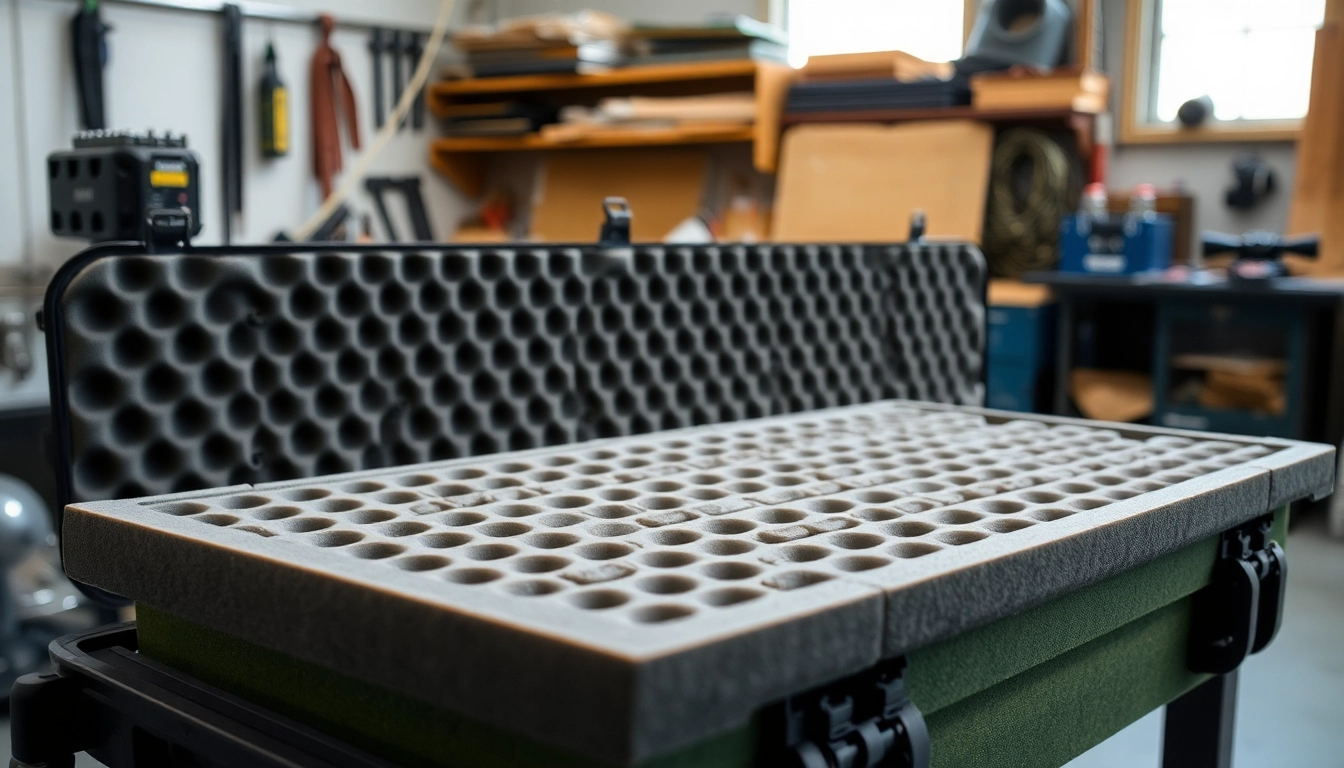
Understanding Foam for Rifle Case
When it comes to securing your firearms during transport or storage, a rifle case is an essential purchase. A vital component of any quality rifle case is its foam interior, which serves as both protection and support for your firearm. Choosing the right foam for rifle case is crucial not only for preventing damage but also for ensuring that your firearm is easily accessible. In this article, we will explore the importance of foam quality, the types of foam available, and how to select the best foam for your specific needs.
The Importance of Quality Foam
Quality foam plays a critical role in protecting your rifle. The right foam cushions against shocks, impacts, and vibration while providing a snug fit that minimizes movement within the case. Poor-quality foam can degrade quickly, allowing your firearm to shift, which increases the risk of scratches, dents, or more severe damage. Furthermore, selecting high-density foam improves resistance against compression and wear over time, making it a worthwhile investment for rifle owners who value protection.
Types of Foam Used in Rifle Cases
There are various types of foam used in rifle cases, each offering distinct advantages:
- Polyurethane Foam: This common foam type is affordable and versatile, providing reasonable cushioning for most firearms.
- EVA Foam: Ethylene vinyl acetate (EVA) foam is known for its durability and shock-absorbing properties and is often used in higher-end cases.
- Cross-Linked Polyethylene Foam: This closed-cell foam is resistant to moisture, chemicals, and impacts, making it ideal for rugged conditions.
- Custom-cut Foam: Tailored specifically to fit the contours of your rifle and accessories, custom-cut foam ensures maximum protection and security during transport.
Foam Density and Protection Levels
Foam density refers to how much mass exists in a given volume of foam. It is a key factor in determining the level of protection offered:
- Low-Density Foam: Generally softer, this foam provides minimal protection and is better suited for light storage conditions.
- Medium-Density Foam: Effective for general-purpose gun cases, offering a balance of cushioning and structural support.
- High-Density Foam: Provides superior durability and protection against impacts, ideal for transport and adverse conditions.
Choosing the appropriate foam density for your application will depend on how you plan to use your rifle case and the level of protection required.
Benefits of Custom Foam for Rifle Case
Enhanced Protection for Your Firearm
Custom foam inserts are designed specifically for your firearm model, ensuring that every contour fits snugly. This level of customization significantly decreases the risk of movement occurring during transit, allowing for a higher degree of protection against abrasions or impacts. Whether you’re heading to the range or embarking on a hunting expedition, custom foam acts as a buffer that keeps your firearm secure and protected from environmental elements.
Customization Options for Different Models
Today’s customizable foam solutions offer a range of options for accommodating various rifle styles, including bolt-action, semi-automatic, and tactical rifles. You can choose to include cutouts for scopes, bipods, and magazines, ensuring you have everything you need in one convenient package. These tailored solutions also provide a professional appearance, ideal for gun enthusiasts who pride themselves on their gear.
Long-Term Cost Efficiency
Investing in high-quality custom foam can lead to long-term savings. By protecting your firearm effectively, you reduce the risk of damage or maintenance costs associated with repairs. Additionally, quality foam sustains less wear and tear over time, ensuring that you won’t have to replace it often. This investment equates to peace of mind and financial prudence.
How to Choose Foam for Rifle Case
Assessing Your Specific Needs
Before selecting foam for your rifle case, evaluate your specific storage and transportation requirements. Consider the rifle’s size, weight, and how often it will be transported. Think about the environments you will expose your firearm to; this can impact the type of foam you should choose. For example, if you frequently travel by air and there is a possibility of rough handling, opt for high-density foam.
Measuring Your Rifle and Case
A critical step in choosing the right foam involves accurately measuring both your rifle and the interior dimensions of your case. Use a soft measuring tape to obtain the length, width, and height of your firearm, and take note of any protruding accessories (like scopes). This will ensure that the foam insert offers a perfect fit, minimizing movement during transport.
Considering Material Durability
The choice of foam material directly impacts the longevity and protective capabilities of your rifle case. Research various materials, focusing on resistance to elements such as moisture, UV light, and chemicals. Opting for foam that can withstand extreme temperatures and is resilient to elemental damage will further ensure that your rifle remains in pristine condition over the long haul.
Best Practices for Maintaining Foam in Rifle Case
Cleaning and Care Techniques
Maintaining the integrity of your foam is essential for long-term performance. Regular cleaning helps to remove dirt and debris that can cause abrasion and damage to both the foam and your firearm. Use a damp cloth or soft brush to clean away any residue. Avoid harsh chemicals that could degrade foam integrity, and ensure that the foam is completely dry before returning your firearm to the case.
When to Replace Your Foam
Regular inspections of the foam in your rifle case will help you identify when it’s time for a replacement. Signs of wear such as crumbling, discoloration, or a loss of support signal that the foam may no longer adequately protect your firearm. For heavily used cases, consider replacing the foam every few years to maintain optimal performance.
Storage Recommendations
Storage conditions can considerably affect the lifespan of your foam. Keep your rifle case in a cool, dry place to prevent mold growth or deterioration due to humidity. Avoid stacking heavy items on top of the case, as this can compress the foam and reduce its effectiveness. Additionally, consider using desiccants in your storage area to absorb moisture and further protect your rifle.
FAQs About Foam for Rifle Case
What kind of foam is best for rifle cases?
The best foam for rifle cases is high-density foam, which provides superior shock absorption and durability. Cross-linked polyethylene foam is also ideal due to its moisture resistance and longevity.
How do I measure for custom foam inserts?
Measure the length, width, and height of your rifle, including any attachments. Compare these dimensions to the interior of your case to ensure a snug fit when ordering custom foam inserts.
Is foam better than molded plastic for protection?
Foam provides excellent cushioning and shock absorption, reducing movement. In contrast, molded plastic offers rigid protection. The choice depends on your usage scenarios and preferences for portability versus firmness.
Can I cut my own foam for a rifle case?
Yes, cutting your own foam is possible. It allows for customization; however, ensure you use the right tools—sharp utility knives work best—and take measurements to maintain accuracy.
How do I clean foam in my rifle case?
Use a damp cloth or soft brush for cleaning. Avoid harsh chemicals and let the foam dry completely before placing your firearm back inside to prevent mold growth.