
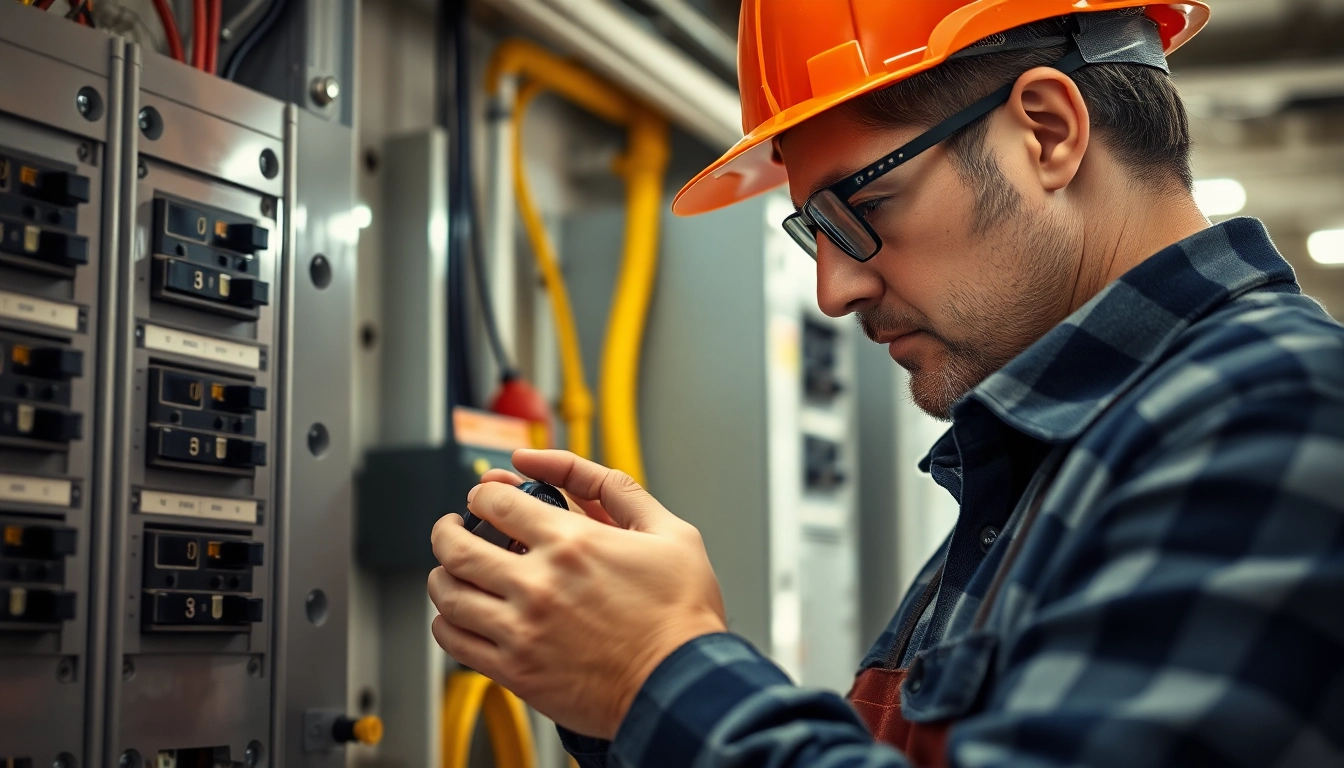
Understanding Electrical Service Maintenance
What is Electrical Service Maintenance?
Electrical service maintenance involves the systematic upkeep and management of electrical systems to ensure their safe and efficient operation. This includes a series of activities such as inspections, testing, repairs, and necessary upgrades of electrical installations. Key goals are to extend the lifespan of electrical components, prevent faults, and comply with safety regulations. Employing professional electrical service maintenance enhances system reliability and performance, safeguarding both residential and commercial environments from electrical hazards and operational disruptions.
Importance of Regular Maintenance
The importance of regular electrical service maintenance cannot be overstated. Consistent and proactive maintenance minimizes the risk of electrical failures which can lead to hazardous conditions, including fire risks and electrical shocks. Additionally, routine maintenance helps in identifying and rectifying minor issues before they escalate into significant problems, thereby reducing emergency repair costs. A well-maintained electrical system also promotes energy efficiency, translating to lower utility bills and contributing to environmental sustainability.
Key Components of Electrical Systems
Understanding the components involved in electrical systems plays a critical role in effective maintenance. Key components include:
- Electrical Panels: Distribute electricity throughout a property and require regular inspection for safety and functionality.
- Circuit Breakers: Protect circuits by interrupting electrical flow during faults. Maintenance ensures they operate correctly.
- Wiring and Connections: Must be regularly assessed for wear and tear or corrosion that might compromise performance.
- Lighting Fixtures: Regular checks can identify issues such as inadequate lighting or malfunctioning bulbs.
- Grounding Systems: Protect people and systems against electrical surges and faults, necessitating routine evaluations.
Types of Electrical Service Maintenance
Preventive Maintenance Practices
Preventive maintenance is a proactive approach aimed at performing regular assessments and servicing of electrical systems. It includes scheduled inspections, cleaning, and testing of electrical installations. For instance, routinely checking for loose connections, worn-out insulation, and ensuring all equipment operates within specified parameters can prevent unexpected breakdowns. Implementing preventive strategies enhances system reliability and reduces the likelihood of serious failures that could lead to extensive repair needs.
Predictive Maintenance Strategies
Predictive maintenance takes a data-driven approach to anticipate failures before they occur. Employing technology such as thermal imaging, vibration analysis, and electrical testing tools enables maintenance teams to monitor system performance continually. Predictive strategies detect abnormal operating conditions, allowing technicians to address issues proactively. This methodology not only extends the life of electrical systems but also improves uptime efficiency by minimizing unexpected disruptions.
Corrective and Breakdown Maintenance
Corrective maintenance is performed to remedy identified issues, while breakdown maintenance responds to systems failing unexpectedly. Both strategies are essential for ensuring operational continuity, although they differ significantly in approach. Corrective maintenance is preemptive, often based on routine assessments, and aims to fix problems before they affect daily operations. Conversely, breakdown maintenance can be reactive, addressing failures as they arise, often incurring higher costs due to the urgency of repairs needed and potential business interruption.
Best Practices for Electrical Service Maintenance
Establishing a Maintenance Schedule
To maximize the benefits of electrical service maintenance, establishing a comprehensive maintenance schedule is essential. A well-structured timeline that outlines routine checks, inspections, and necessary service tasks should be an integral part of the maintenance plan. Commonly, this could encompass monthly light checks, quarterly panel inspections, and annual comprehensive reviews. Setting reminders and adhering to the schedule ensures that no critical maintenance tasks are overlooked, safeguarding electrical system integrity over time.
Utilizing Checklists for Efficiency
Integrating checklists into the maintenance process streamlines operations and ensures thoroughness. Checklists can categorize tasks based on frequency, such as daily, weekly, or monthly inspections, and can also specify particular components to examine. This approach not only simplifies the maintenance process for technicians but provides a clear record of activities performed, facilitating future assessments and audits. Utilizing standardized checklists enhances accountability while ensuring compliance with safety and operational standards.
Monitoring Electrical System Performance
Continuous monitoring of electrical system performance is crucial for early issue detection and system optimization. Implementing smart technologies such as energy management systems can facilitate real-time monitoring of electrical consumption and system health. Performance data can then be analyzed to identify trends, productivity levels, and areas needing improvement. Regular performance assessments also help in adjusting maintenance schedules based on the actual condition of equipment, leading to more efficient use of resources and investment.
Common Issues Addressed by Electrical Service Maintenance
Identifying System Failure Risks
Proactive electrical service maintenance is instrumental in identifying risks that may lead to system failures. By conducting scheduled inspections and employing diagnostic tools, maintenance teams can pinpoint potential failure points such as loose connections, overheating components, or faulty wiring. Addressing these concerns can significantly reduce the likelihood of electrical fires or outages, ensuring constant reliability.
Ensuring Safety Compliance
Maintaining compliance with electrical safety regulations is paramount for both residential and commercial properties. Regular maintenance checks ensure that all installations meet local and national safety standards. This includes verifying that all grounding systems are intact, circuit breakers are functioning as intended, and that there are no exposed wires or faulty equipment. Such precautions not only protect inhabitants and employees but can also mitigate legal liabilities associated with non-compliance.
Improving Energy Efficiency
Regular electrical service maintenance can lead to improvements in energy efficiency. Routine evaluations often reveal outdated equipment or systems that consume excessive energy. Implementing energy efficiency upgrades, such as replacing old fixtures with LED lighting or upgrading to energy-efficient appliances, can significantly reduce overall energy costs. Moreover, a focus on energy efficiency enhances the sustainability of operations, aligning with broad environmental goals.
FAQs About Electrical Service Maintenance
What are the benefits of electrical service maintenance?
Electrical service maintenance improves system reliability, enhances safety, reduces operational costs, and prolongs the lifespan of equipment. It also helps identify potential issues before they cause significant problems.
How often should electrical maintenance be performed?
Regular maintenance should be performed at least annually, with more frequent checks for high-use areas or critical systems. Monthly inspections for specific equipment types are also advisable.
What tools are essential for electrical maintenance?
Essential tools include multimeters, voltage testers, insulation resistance testers, and thermal imaging cameras. These tools aid in identifying issues and ensuring electrical systems operate efficiently.
Can electrical service maintenance be done DIY?
While minor checks can be performed DIY, qualified professionals should handle intricate tasks. Complex systems require expertise to ensure safety and compliance with regulations.
What should I expect during a maintenance check?
During a maintenance check, expect a thorough inspection of electrical panels, wiring, circuit breakers, and safety features. Technicians will inspect for wear, perform tests, and recommend any necessary repairs.
Contact Information
Call Us: 780 454 6490
Email: [email protected]
Address: 12925 148 Street NW Edmonton, AB T5L 2H9