Introduction to Saltwater Fly Fishing
Saltwater fly fishing is an exhilarating adventure that combines the thrill of fly fishing with the unique challenges and rewards offered by saltwater environments. Whether you’re a seasoned angler or a novice looking to learn the ropes, this guide will ensure you are well-equipped with the knowledge and skills needed for successful outings. From the initial setup to advanced techniques, we dive deep into the various aspects of Saltwater fly fishing, helping you navigate this beautiful and challenging realm.
Understanding Saltwater Fly Fishing Basics
At its core, saltwater fly fishing involves casting a weighted line to catch saltwater species using artificial flies. Unlike traditional fishing methods, where bait is used to attract fish, fly fishing replicates the movement and appearance of prey through the use of lures known as flies. This method requires specialized equipment and techniques tailored for larger, more aggressive fish that inhabit saltwater environments.
Why Choose Saltwater Fly Fishing?
Choosing saltwater fly fishing over other fishing modalities offers numerous advantages:
- Diverse Species: Saltwater environments are home to a rich variety of fish, including Tarpon, Snook, Redfish, and Bonefish, many of which provide exciting challenges for fly anglers.
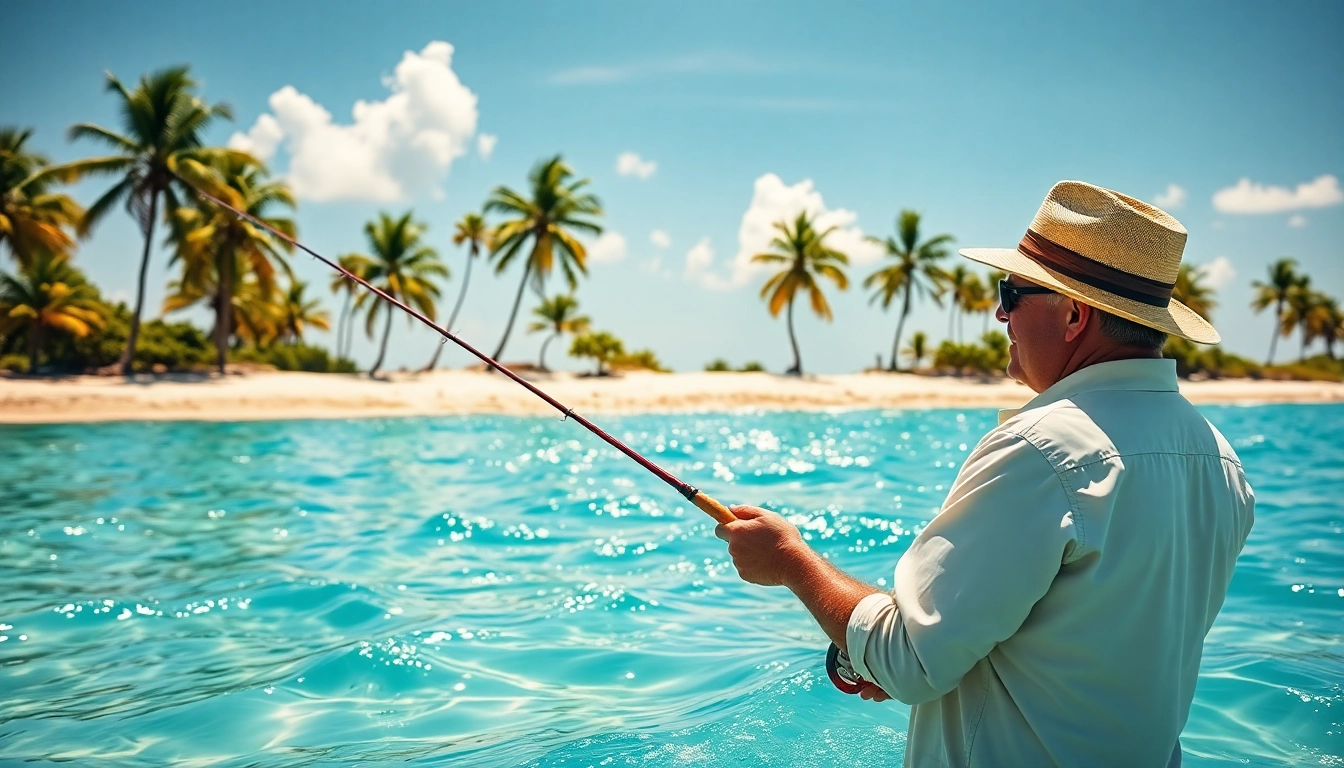
- Scenic Locations: Fishing in tropical settings like the Bahamas or Florida allows anglers to enjoy stunning vistas while pursuing fish.
- Adventure Element: The unpredictable nature of saltwater fishing adds an aspect of adventure, with larger tides, varied weather conditions, and dynamic fish behaviors to navigate.
Difference Between Freshwater and Saltwater Fly Fishing
The main distinction between freshwater and saltwater fly fishing lies in the environment and the fish species targeted. While freshwater fly fishing often focuses on trout and bass, saltwater fly fishing encompasses a broader range of species and techniques. Key differences include:
- Equipment Size: Saltwater fish are typically larger and more powerful, requiring heavier rods, reels, and lines.
- Flies: The flies used in saltwater are often designed to be more durable and imitate marine life.
- Weather Conditions: Saltwater environments can include harsher weather conditions, making adaptability crucial.
Essential Gear for Saltwater Fly Fishing
Fly Rods and Reels: What You Need
Choosing the right fly rod and reel is essential for successful saltwater fishing. Generally, a rod in the 8 to 12 weight range is recommended for larger saltwater species.
Rods with a fast action are preferred for their ability to cast long distances and combat strong winds. Pair your rod with a robust reel that accommodates a large backing line, as saltwater fish can make significant runs once hooked.
Choosing the Right Fly Lines
Quality fly lines are critical for effective saltwater fly fishing. Choose lines specifically designed for saltwater use, which are typically floating or sink-tip styles to adapt to different fishing conditions. Consider factors such as:
- Weight: Match your fly line weight to your rod for optimal performance.
- Type: Floating lines are great for surface fishing, whereas sinking lines are ideal for deeper waters.
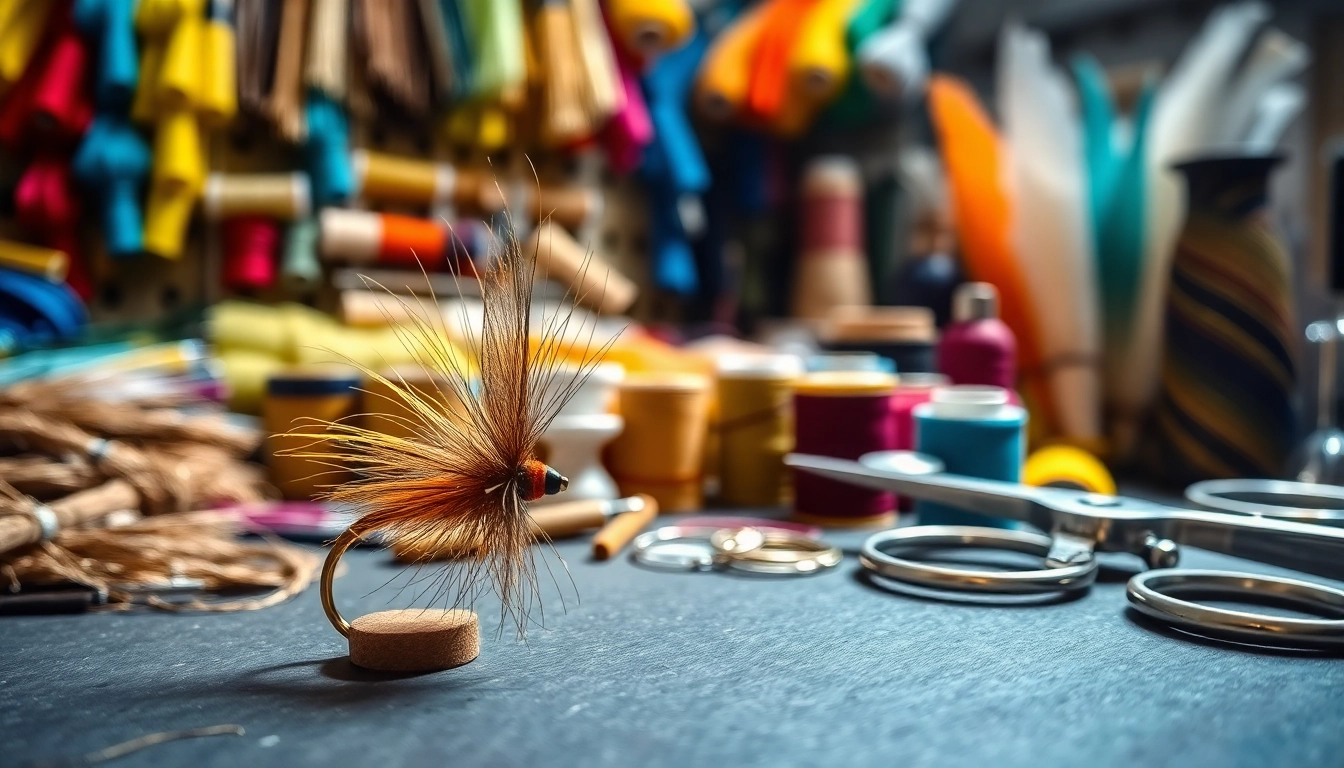
Must-Have Saltwater Flies to Use
Your success in saltwater fly fishing often hinges on your choice of flies. Effective patterns include:
- Clouser Minnow: A versatile pattern that imitates baitfish.
- Crazy Charlie: Perfect for targeting Bonefish.
- Tarpon Bunny: Excellent for catching Tarpon during their migratory runs.
Always consider local forage when selecting flies, matching colors and sizes to naturally occurring species.
Techniques for Successful Saltwater Fly Fishing
Effective Casting Techniques
Mastering casting techniques is vital in saltwater fly fishing. Techniques like the double haul can significantly increase line speed and distance, allowing anglers to cover more water and present flies effectively. Practice casting against the wind and using backcasting for better accuracy and distance control.
Understanding Tides and Their Impact
Saltwater fish behavior is heavily influenced by tidal movements. Fish tend to be more active during specific tidal phases, often feeding more aggressively around flood tides. Understanding how tides impact fish locations and feeding behaviors can boost your chances of success.
Targeting Different Saltwater Species
Different saltwater species require unique approaches. Tailor your strategy based on the target: for instance, use stealth and smaller flies for Bonefish, while larger, more aggressive techniques work for Tarpon. Being adaptable is key to maximizing your fishing success.
Planning Your Saltwater Fly Fishing Trip
Best Locations for Saltwater Fly Fishing
Some of the world’s top saltwater fly fishing destinations include:
- The Bahamas: Famous for its flats and Bonefish.
- Florida Keys: Offers diverse environments for Snook, Tarpon, and Redfish.
- Belize: Renowned for its permit and bonefish spots.
Research local conditions and regulations to ensure an immersive fishing experience.
Seasonal Considerations and Fish Behavior
Fish behavior varies seasonally, affecting when and where to fish. Typically, spring and summer are prime times for saltwater fly fishing. During these periods, fish are more active, spawning, and feeding more aggressively, particularly in shallow waters.
What to Expect on a Guided Trip
Guided saltwater fly fishing trips can enhance your experience by providing local knowledge and expertise. Expect the following when booking a guided trip:
- Equipment: Guides usually provide necessary gear, or you can use your own.
- Techniques and Tips: Benefit from learning tailored techniques for local waters.
- Experience Level: Tours can cater to all skill levels, ensuring a valuable experience.
FAQs About Saltwater Fly Fishing
Does fly fishing work in saltwater?
Yes, many saltwater species, including Bonefish and Stripers, thrive in saltwater, allowing for highly effective fly fishing.
What is the best time to go saltwater fly fishing?
Early mornings and late afternoons are optimal, as fish are most active during these times, increasing your chances of success.
What are the most popular saltwater fish to target?
Common species include Tarpon, Snook, Redfish, and Bonefish, each attracting anglers during specific seasons for varied experiences.
How do I select the right flies for saltwater fishing?
Match your flies to local forage species, focusing on colors and sizes that mimic the prey abundant in the waters you are fishing.
Is saltwater fly fishing more challenging than freshwater?
Indeed, saltwater conditions introduce factors like stronger currents and larger fish, creating unique challenges that require specific skills.