
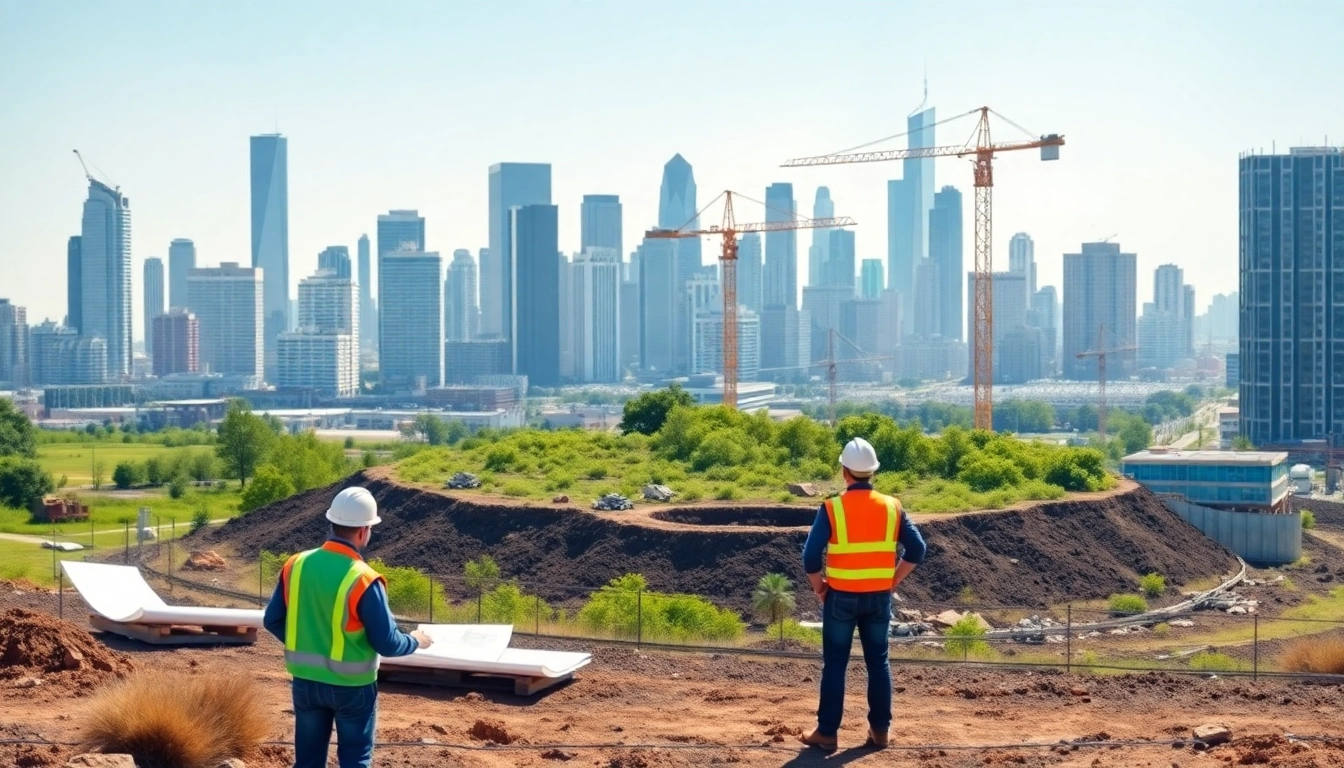
The Basics of Real Estate Development
What is Real Estate Development?
Real Estate Development is the intricate process of acquiring land or existing properties, enhancing them through planning and construction, and ultimately selling or leasing them for profit. This multifaceted endeavor involves synchronizing various components such as design, financing, regulatory approvals, construction, and marketing to create sustainable and immersive environments. The significance of real estate development extends beyond mere profit, as it directly influences a community’s growth trajectory, infrastructure quality, and overall aesthetic appeal. Understanding this comprehensive process is vital for anyone seeking to navigate the real estate landscape effectively, particularly with the increasing demand for housing and commercial spaces. For in-depth guidance and resources, explore Real Estate Development.
Key Stages in Real Estate Development
The real estate development process unfolds through several critical stages:
- Concept Development: This initial phase includes market research to identify opportunities, feasibility studies to assess potential returns, and the establishment of a vision for the project.
- Site Acquisition: Securing the land or existing structures is pivotal. This involves negotiations, due diligence, and often securing financing.
- Design and Planning: Working with architects and planners to develop detailed designs that meet environmental, zoning, and community guidelines.
- Financing: Crafting a solid financial plan that encompasses loans, investments, and cash flow projections.
- Construction: Overseeing the actual building or renovation process, ensuring adherence to design specifications and timelines.
- Marketing and Sales: Strategizing on how to effectively market the property to potential buyers or tenants.
- Property Management: Post-sale or leasing phase where property upkeep and tenant relations are managed.
Essential Terminology in Real Estate Development
Familiarity with industry-specific terminology is crucial for effective communication in real estate development. Here are some key terms:
- Feasibility Study: An analysis of the viability of a project considering factors like financial, technical, and market aspects.
- Zoning: Regulations governing land use, dictating what types of businesses or developments are allowed.
- ROI (Return on Investment): A measure used to evaluate the efficiency of an investment, calculated as the gain from the investment minus the cost, divided by the cost.
- Property Management: The process of overseeing and maintaining property, including managing tenants and services.
- Build-to-Suit: A property developed specifically to meet the needs of a particular tenant.
Types of Real Estate Development
Residential Real Estate Development
This category focuses on constructing homes, apartments, or developments aimed at providing living spaces. Residential real estate development varies from single-family homes to large apartment complexes. The success of residential projects often hinges on understanding local demographics, housing demands, and market trends, combined with effective design and community integration.
Commercial Real Estate Development
Commercial real estate includes properties used for business purposes, such as office buildings, retail spaces, and industrial facilities. The development of commercial properties typically requires a thorough assessment of economic factors such as consumer demand, retail trends, and locational dynamics to ensure the viability of the investment.
Mixed-Use Real Estate Development
Mixed-use developments combine residential, commercial, and sometimes industrial spaces within a single property or area. This approach encourages walkability, reduces the need for transportation, and enhances community interaction. Planning mixed-use developments requires careful balancing of different zoning laws, tenant needs, and configuration of spaces to foster a harmonious environment.
Critical Success Factors in Real Estate Development
Market Research and Analysis
Thorough market research is imperative for successful real estate development. Understanding trends in the housing market, consumer preferences, and competitive analyses enables developers to identify opportunities and mitigate risks. This includes demographic studies, economic forecasts, and monitoring local area development activities.
Financial Planning and Investment
Robust financial planning underpins real estate projects. Effective forecasting of costs, potential revenues, and securing the necessary capital are essential steps. Various financing options exist, including traditional bank loans, private equity, and partnerships with investors, each presenting its own risks and rewards.
Legal and Regulatory Considerations
Navigating the legal landscape is vital in real estate development. Developers must familiarize themselves with local zoning laws, environmental regulations, and permitting processes to ensure compliance. Engaging legal experts can help prevent costly delays and potential fines during the project lifecycle.
Challenges Faced in Real Estate Development
Financing the Development
Securing financing is often one of the most challenging aspects of the development process. Market fluctuations, interest rates, and lender confidence can impact available funding. Developers may need to explore multiple financing avenues, leveraging personal assets or partnerships to enhance funding prospects.
Managing Stakeholder Relationships
Real estate development impacts various stakeholders, including investors, community members, government entities, and contractors. Clear communication and relationship management are paramount to ensure project alignment, address concerns proactively, and foster a supportive environment for development.
Regulatory Approval Process
The regulatory approval process can be lengthy and complex, potentially delaying projects significantly. Developers must prepare thorough documentation and possibly public engagement strategies to navigate this process successfully. Understanding local government structures and timelines can streamline approvals.
Future Trends in Real Estate Development
Sustainability Practices in Real Estate Development
Increasingly, sustainability is becoming a key factor in real estate development. Developers are focusing on eco-friendly practices, such as using sustainable materials, implementing energy-efficient technologies, and incorporating green spaces. This not only meets regulatory requirements but also appeals to environmentally-conscious buyers.
Impact of Technology on Real Estate Development
Technology is revolutionizing real estate development. Innovations like building information modeling (BIM), smart home technologies, and virtual reality tools are streamlining design processes and enhancing investor presentations. Staying abreast of technological advancements can significantly improve project efficiency and market competitiveness.
Urbanization and Its Effects on Real Estate Development
Urbanization continues to drive demand for housing and commercial spaces in cities. Developers must adapt to these changes, considering urban density challenges, infrastructure capacity, and changing lifestyles when planning new projects. Strategic planning can help optimize land use and address modern urban demand effectively.
FAQs About Real Estate Development
What are the main types of Real Estate Development?
Major types include residential, commercial, industrial, and mixed-use developments, each serving different market needs.
What qualifications are needed for Real Estate Development?
A background in finance, urban planning, or real estate is beneficial. Networking and experience are also crucial.
How long does a Real Estate Development project take?
The timeline varies, but typically projects can take anywhere from a few months to several years depending on complexity.
What are common challenges in Real Estate Development?
Challenges include financing, regulatory approvals, construction delays, and market fluctuations, which can impact profitability.
How can technology benefit Real Estate Development?
Technology can streamline processes, improve planning accuracy, enhance sustainability, and increase overall efficiency.
Contact Information
Call Us: +1 800-896-5502
Address: 2670 Union Ave, Memphis, TN 38112, United States, Memphis, TN, United States, 38112