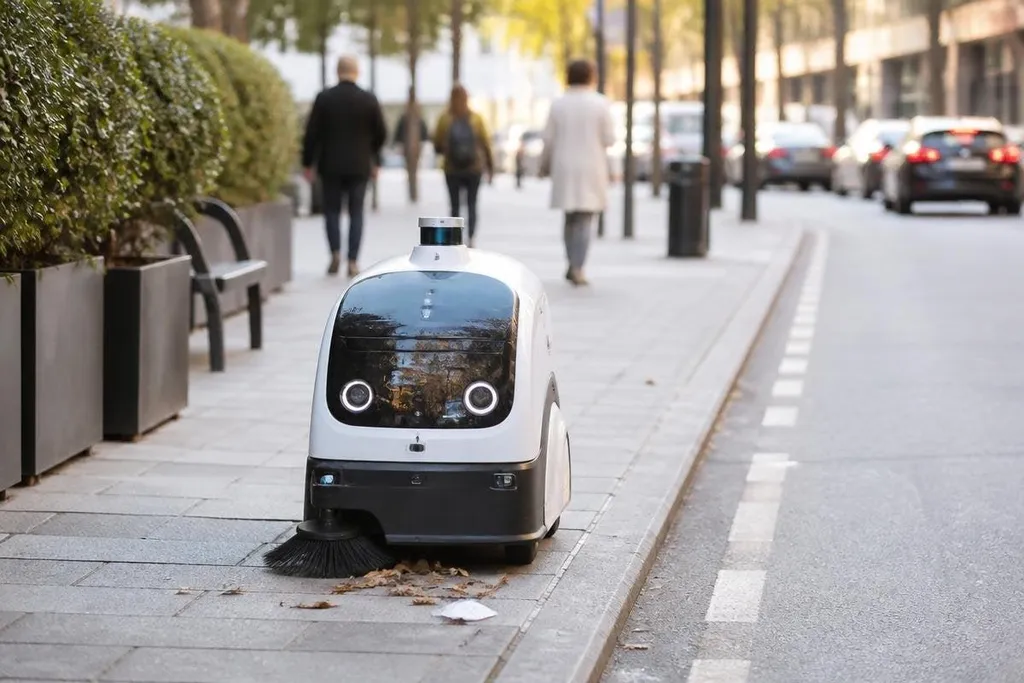
A robot on a city street has a harder job than one in a factory. It must share space with people, cope with weather, and work around roads, curbs, pets, and unexpected obstacles.
That makes smart city robots useful when they handle clear tasks that are dull, risky, or hard to staff.
- Street robots can inspect public assets without sending people into traffic.
- Cleaning and delivery machines need safe routes, clear rules, and human oversight.
- The strongest use cases begin with one repeated task, not a vague promise about smarter cities.
Public work needs regular attention
Cities depend on routine work that residents notice when it stops. Waste collection, pavement checks, drain inspections, park care, and street cleaning all require repeated trips through large areas. Robots can help with parts of these jobs when their sensors and control systems suit the setting.
A small autonomous machine might follow a mapped route, detect an obstruction, and send an alert to a human operator. A larger system could carry tools or materials across a work site. The useful change comes from removing a person from a dangerous or tiring step while keeping decisions under human control.
That last part matters. A robot that spots a damaged road still needs a person to confirm the finding, set repair priorities, and manage the work. Automation can collect information or move supplies, but it doesn't replace public accountability.
Safety is the first test
Public-space robots work near people who didn't choose to take part in their test. Their design must account for children, cyclists, mobility aids, parked vehicles, and emergency access. Cameras, LiDAR, and other sensors can help the robot detect its surroundings, but detection alone doesn't make a route safe.
The robot also needs a clear response when its data is uncertain. It may stop, slow down, ask for remote help, or return to a known location. Those actions need testing in the places where the robot will run, since a route that works on a clean map may change after roadwork, rain, or a blocked footpath.
Privacy creates another boundary. A system that records images for navigation may collect information about people nearby. City operators need rules for what the robot records, how long it keeps that data, and who can access it.
A city robot can finish its route and still create a privacy problem if its cameras keep more data than the task needs. Reports at Robot24.com can put the machine, test site, date, and data policy beside the claim before the next section looks at the work these systems are meant to do.
The value comes from the task
A city should start with a job that has a clear measure of success. That might mean fewer inspection trips, faster alerts about blocked drains, or safer movement of supplies inside a restricted work area. The measure must connect to a public need rather than a robot count.
Cost also includes more than the purchase price. A city may need charging points, storage, software updates, staff training, insurance, repairs, and a process for handling failures. If the robot needs a worker beside it for every trip, the city should compare that full cost with the existing method.
I'd skip any city robot plan that starts with the machine instead of the job. A well-defined task gives engineers a route, a safety case, and a way to check whether the system works.
What can hold robots back
Public spaces change throughout the day. A market stall can block a route. A delivery vehicle can close a lane. Snow, standing water, poor lighting, and construction can affect sensors and movement. These conditions make city work less predictable than a controlled warehouse floor.
Rules can slow a project for good reasons. Operators may need permission to use public paths, plans for emergency stops, limits on recorded data, and a named person responsible for incidents. Those steps add time, but they also give residents a clear way to question the system.
Remote operators may need to review alerts, guide the robot through unusual situations, and arrange recovery after a fault. Without staff for those tasks, the city has not finished planning the system.
A practical test before buying
Use this checklist before a pilot moves beyond a controlled site:
- Name the job: Write down the repeated task, its location, and the result the city needs.
- Map the route: Record curbs, crossings, slopes, charging points, access limits, and places where people gather.
- Set the stop rules: Define when the robot slows, stops, asks for help, or leaves the route.
- Check the full cost: Add staff time, repairs, charging, data storage, permits, and insurance to the purchase price.
- Plan the handoff: Assign the person who reviews alerts, handles faults, and speaks with the public.
- Set a review date: Decide when the city will keep, change, or end the pilot based on recorded results.
The next step for smart city robots is narrower than many plans suggest. Cities will learn more from one machine checking one route under real conditions than from a large rollout with no clear measure of success.